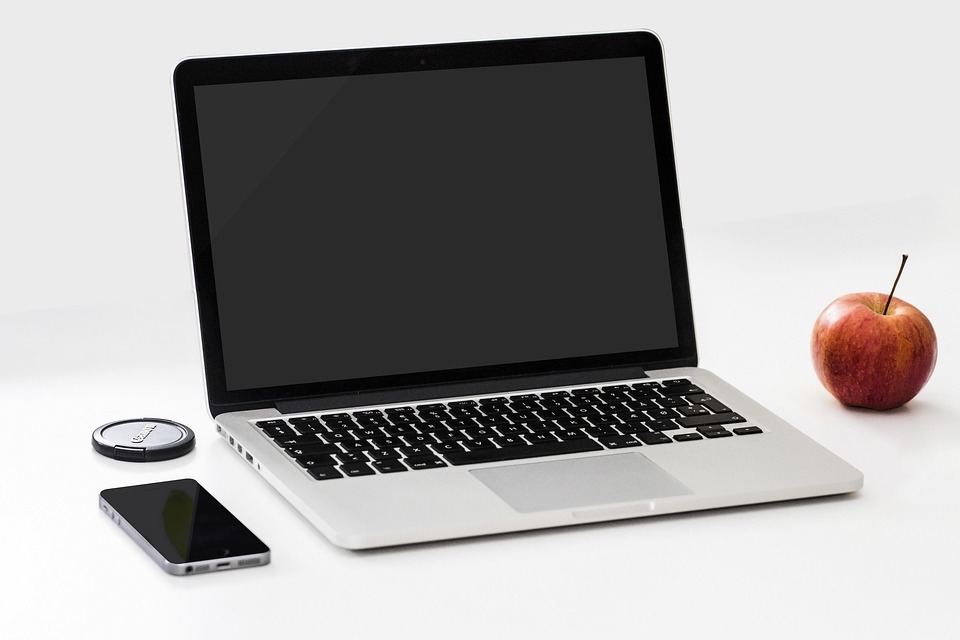
Wondering why a keyboard is important for a computer? Learn about the role, functions, and advantages of keyboards in effective computing and productivity.
In modern computing, the keyboard stands as one of the most essential input devices. While technology has provided many alternatives like touchscreens, styluses, and voice commands, the keyboard remains central to how we communicate with computers. Whether used for typing documents, entering commands, or gaming, the keyboard plays a fundamental role in ensuring efficiency and productivity. But why is the keyboard so important for a computer? This article explores its functions, significance, and continued relevance in both personal and professional environments.
The Keyboard as a Primary Input Device
A computer is only as effective as the instructions it receives, and the keyboard is one of the main ways users provide those instructions. The primary function of a keyboard is to allow users to enter data and execute commands. Without a keyboard, typing text into applications such as word processors, search engines, or spreadsheets would be extremely difficult. While alternatives exist, none have managed to completely replace the precision and speed offered by a keyboard.
Importance in Communication and Productivity
The keyboard allows for fast and efficient communication with a computer. Tasks such as writing emails, creating reports, programming, and chatting online all depend heavily on typing accuracy and speed. A well-designed keyboard enables users to work quickly, reducing the time spent on repetitive tasks.
For professionals, the keyboard is an indispensable tool:
- Writers and Students depend on it for accurate typing of essays and reports.
- Programmers use it to write code, often relying on specialized shortcuts to increase efficiency.
- Office Workers complete data entry, document formatting, and communication tasks seamlessly through the keyboard.
Keyboard Shortcuts and Control
Keyboards go beyond simple typing. Their importance also lies in the shortcuts and control options they provide. Operating systems and software applications are loaded with keyboard shortcuts that make tasks faster. For example:
- Copy and paste functions with Ctrl + C and Ctrl + V.
- Quick switching between applications with shortcuts such as Alt + Tab.
- Screenshot capture, volume adjustment, and even media control.
These shortcuts turn the keyboard into a productivity booster, helping users complete tasks with fewer clicks and less effort.
Essential for Gaming and Specialized Tasks
For many computer users, especially gamers, a keyboard provides precision and responsiveness that other input methods cannot replicate. Gaming keyboards with mechanical switches, backlighting, and programmable keys have become popular because they allow for smoother control and customization during gameplay.
Similarly, professionals in design, programming, or engineering rely on specialized keyboards tailored to their needs. This shows that the importance of the keyboard extends beyond regular typing; it can be customized for highly specific work.
Accessibility and Universality
Another reason why the keyboard remains important is its universal accessibility. Almost every computer system, from desktops to laptops, supports the use of a keyboard. Standardized layouts, such as QWERTY, ensure that users across the world can comfortably use a system regardless of brand or design. Moreover, for people with disabilities, specialized keyboards with large fonts, Braille, or ergonomically designed keys ensure inclusivity in technology use.
Durability and Reliability Compared to Alternatives
So, why is the keyboard important for a computer? The answer lies in its versatility and effectiveness. It enables fast communication, boosts productivity through shortcuts, supports specialized tasks such as coding and gaming, ensures accessibility, and provides a universal, reliable method of interacting with a computer. While new input technologies will continue to evolve, the keyboard remains at the heart of efficient computer usage, making it one of the most important devices for digital life today.
Alternative input devices like virtual keyboards on touchscreens are convenient, but they are not always efficient for professional or extended use. Typing long documents on a touchscreen can be slow, tiring, and error-prone. Voice input may be useful in some contexts, but it lacks precision and often struggles with accents or technical terms. The physical keyboard, however, remains reliable, accurate, and durable, making it irreplaceable in most work environments.